

Newsletter November 28, 2026
Making Fall Candle Collections That Smell Real
Don't just stick to the obvious scents. Learn how to build a deep, complex collection by focusing on layered aromas inspired by real autumn flavors.
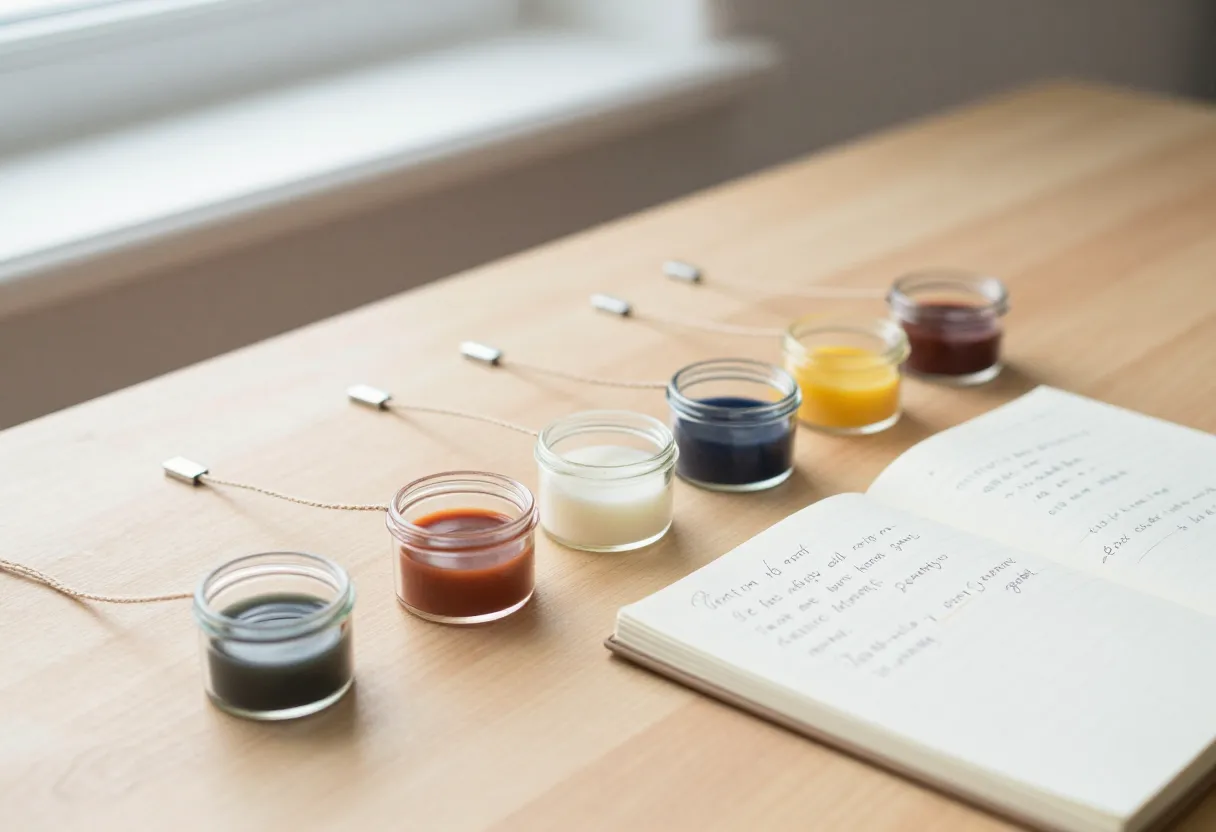
Why fall scents need to taste like they were cooked
When I first started making candles, I fell into the trap of thinking that “fall” just meant adding a pumpkin scent to every jar. It’s a common starting point for many makers, but if you want your collection to stand out from the mass-produced jars at the local big-box store, you have to look closer at what fall actually smells like in a home. Autumn isn’t just about raw produce; it is about the transition of those ingredients through heat and spice.
A great harvest candle shouldn’t just smell like a pumpkin sitting on a porch—it should smell like that pumpkin has been roasted, spiced, and prepared for a meal. This means moving away from single-note scents and toward complex profiles that evoke cooking. Think about the difference between a raw squash and one seasoned with cumin or coriander and simmered in an oven. When you aim for “cooked” profiles, you are looking for depth—the smokiness of a wood fire, the warmth of toasted nuts, or the sharp bite of cracked peppercorns. This shift from simple motifs to culinary complexity is what makes a candle feel like part of a home’s atmosphere rather than just a decorative object on a shelf.
Building complexity: The art of layering aromas
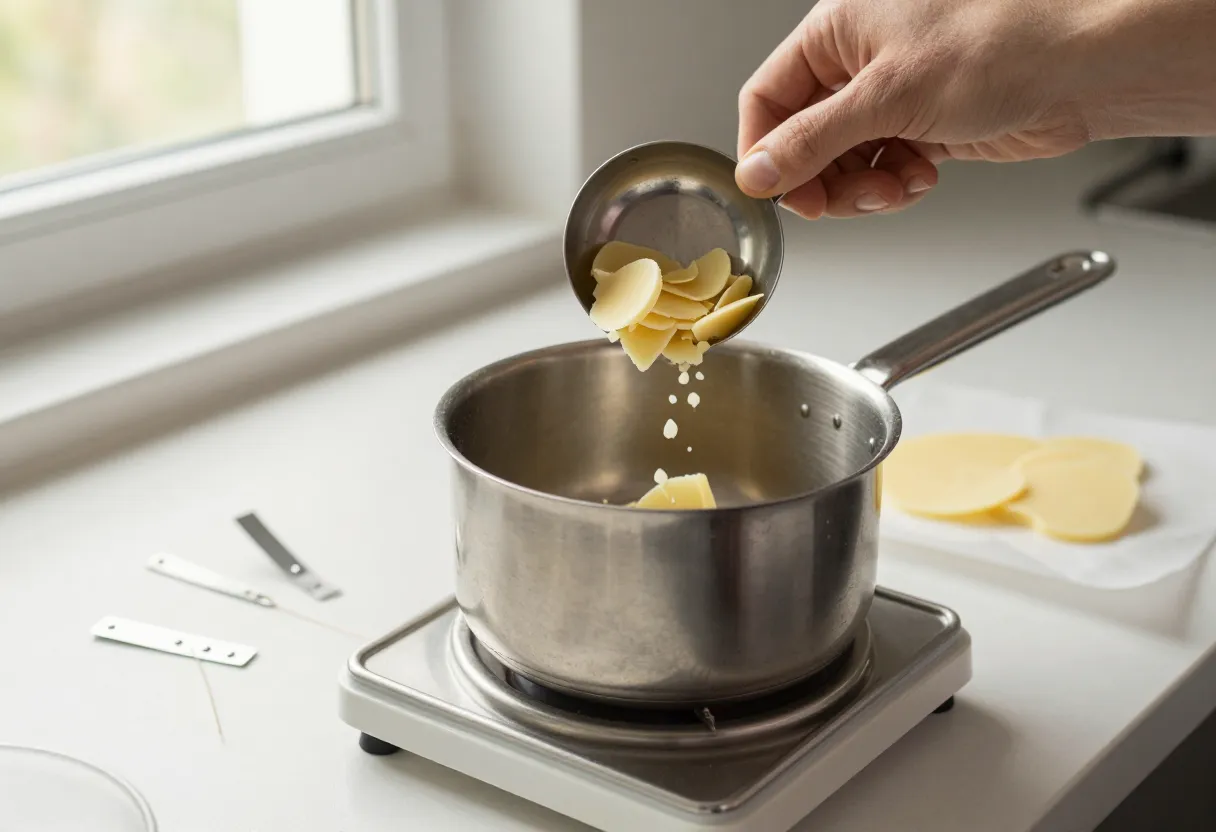
Creating a complex scent profile isn’t about throwing every spice in the cabinet into one jar. If you over-complicate the blend, you risk “muddying” the fragrance where nothing stands out, or worse, creating a scent that is overwhelming to the nose. In my experience at the bench, the best way to build complexity is by understanding how different notes interact—top, middle, and base notes.
To do this effectively, I start by identifying a “hero” note—the primary scent you want people to notice first. For a fall harvest line, that might be a rich, earthy spice or a deep fruit note. From there, you layer in supporting materials. You might add a secondary note to provide body and a tertiary note to give it an edge of sharpness or sweetness.
When I’m working on these blends, I use the scent-blend tool to keep my ratios organized. It is vital to remember that every fragrance oil behaves differently depending on your wax type and container choice. Always check your specific wax supplier’s data sheet for their recommended maximum fragrance load before you start mixing. You want a scent that lingers in the air, not one that disappears the moment it hits the wax or fails to throw because it was overloaded.
The testing protocol: Documentation is everything
One of the hardest habits to break as a maker is relying on your memory. I’ve seen many makers—myself included earlier on—get a great result on one batch and then struggle to replicate it exactly three months later for their seasonal launch. This is where my background in discipline comes into play: if you didn’t write it down, it didn’t happen.
For a cohesive fall collection, consistency is your best friend. You need a disciplined testing protocol that treats every batch like a controlled experiment. Every time you pour, you should be recording your specifics in a batch log: the exact weight of the fragrance oil, the temperature at which you added it (referencing your supplier’s data for those numbers), and any adjustments made to the wick size during burn tests.
Use a burn-log to track how each scent performs over time. A “Harvest Spice” candle needs to behave exactly the same way every time a customer lights it. By following a strict checklist and maintaining detailed notes, you remove the guesswork from production. This ensures that when your customers order their favorite fall scent next year, they get the exact same experience as they did this year. You can find more on managing these processes in our candle workshop guide.
From bench notes to shelf display
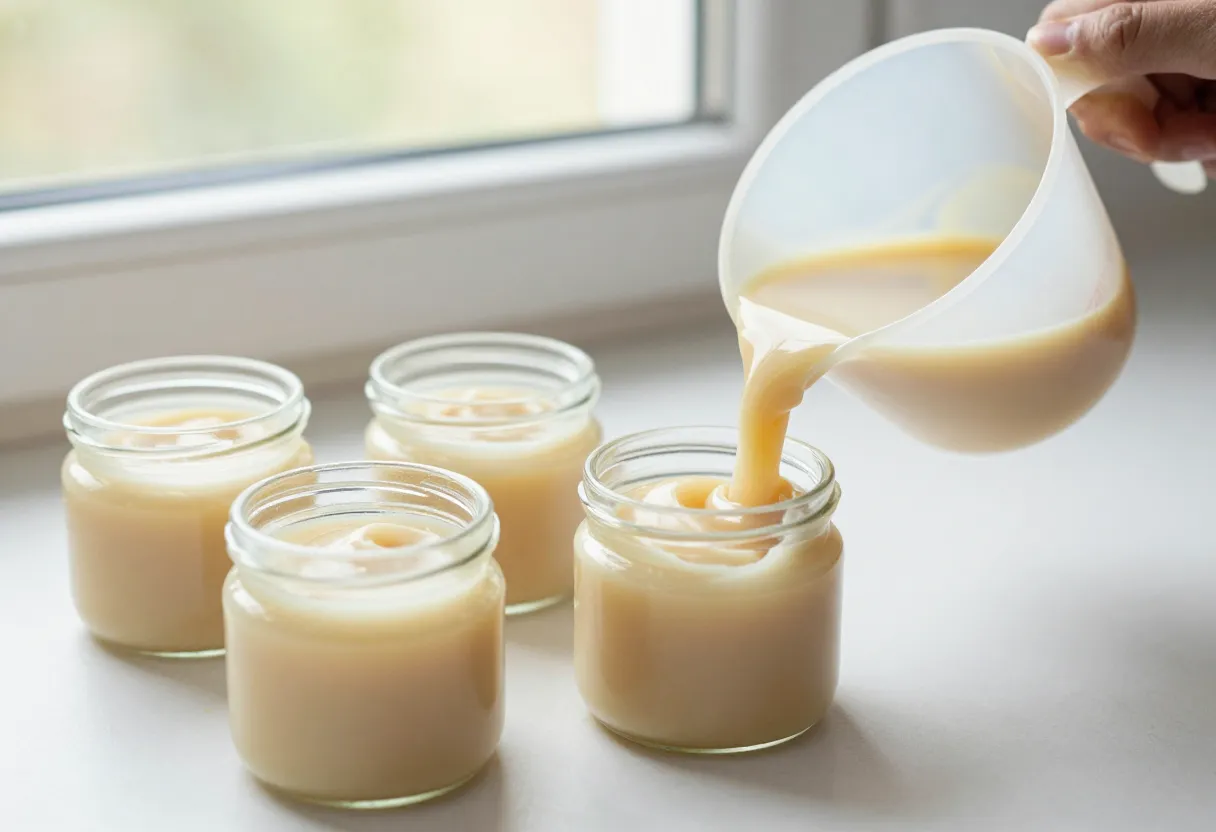
Once you have successfully tested your scents and locked in your production numbers, the final step is presenting that work to your customers. This is where many makers get a bit “precious” with their marketing, but I prefer to keep it grounded in what we actually achieved at the workbench. Your naming should reflect the technical integrity of the product you’ve spent weeks perfecting.
If you spent time balancing a complex blend of toasted cloves and roasted pumpkin, don’t just call it “Fall Vibes.” Give it a name that evokes the specific culinary notes you worked so hard to balance—something like “Roasted Harvest” or “Autumn Hearth Spice.” The goal is for the name to be an honest reflection of the scent profile.
When presenting your collection, think about how these candles work as a set. A cohesive line tells a story of abundance and warmth. You want the customer to see the variety—the different containers, labels, and scents—and understand that they are part of a curated experience. Check out our candle-labels-and-compliance guide to ensure your packaging is as professional as your scent blends. If you’re ready to see how these principles look in practice, you can browse some of my current offerings at the [/shop/].
Inspired by a story from Country Living.
Get the next issue
Questions or corrections? Send a note. Or read more issues.