
Newsletter November 28, 2026
The Discipline of Placement: Candle Safety Rules
Before you light a single wick, take five minutes. We’re reviewing basic fire safety principles—stable surfaces and safe distances—to help your candles shine without risk.
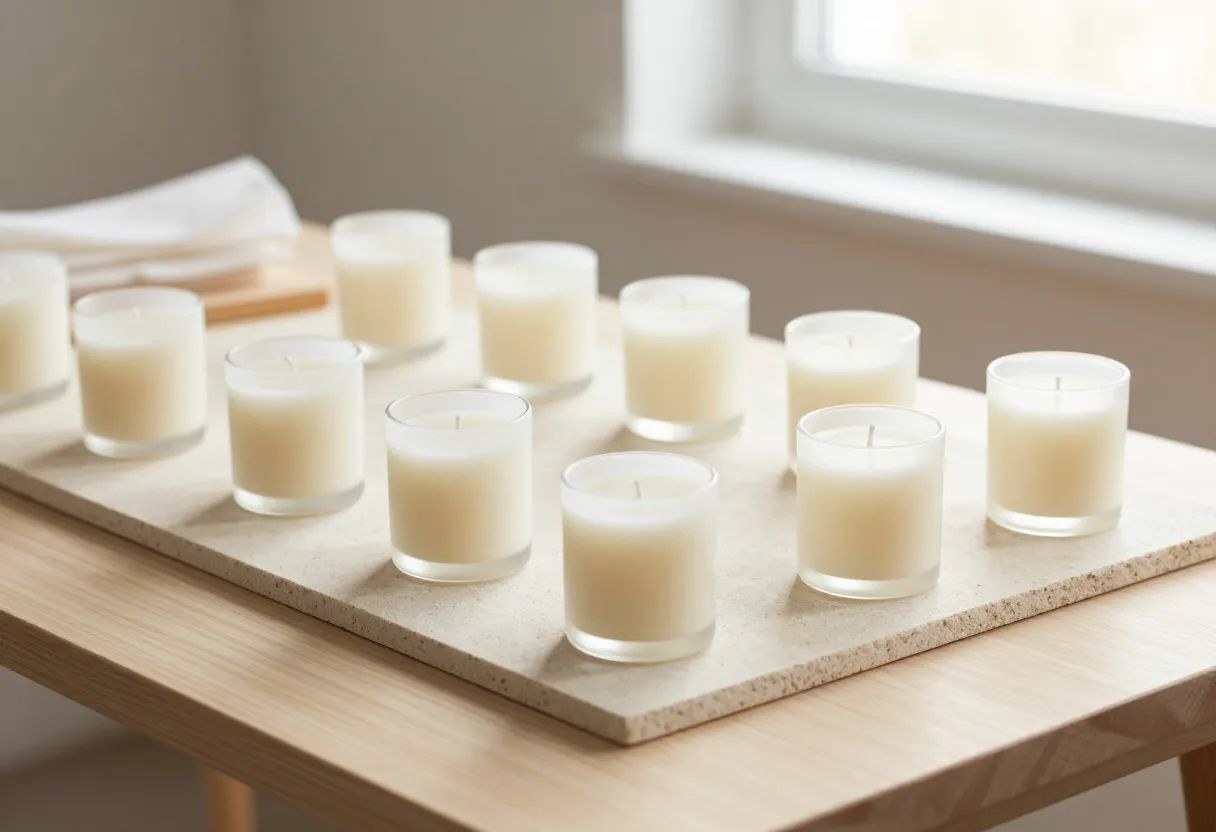
Setting Up for Success: The Safety Checklist
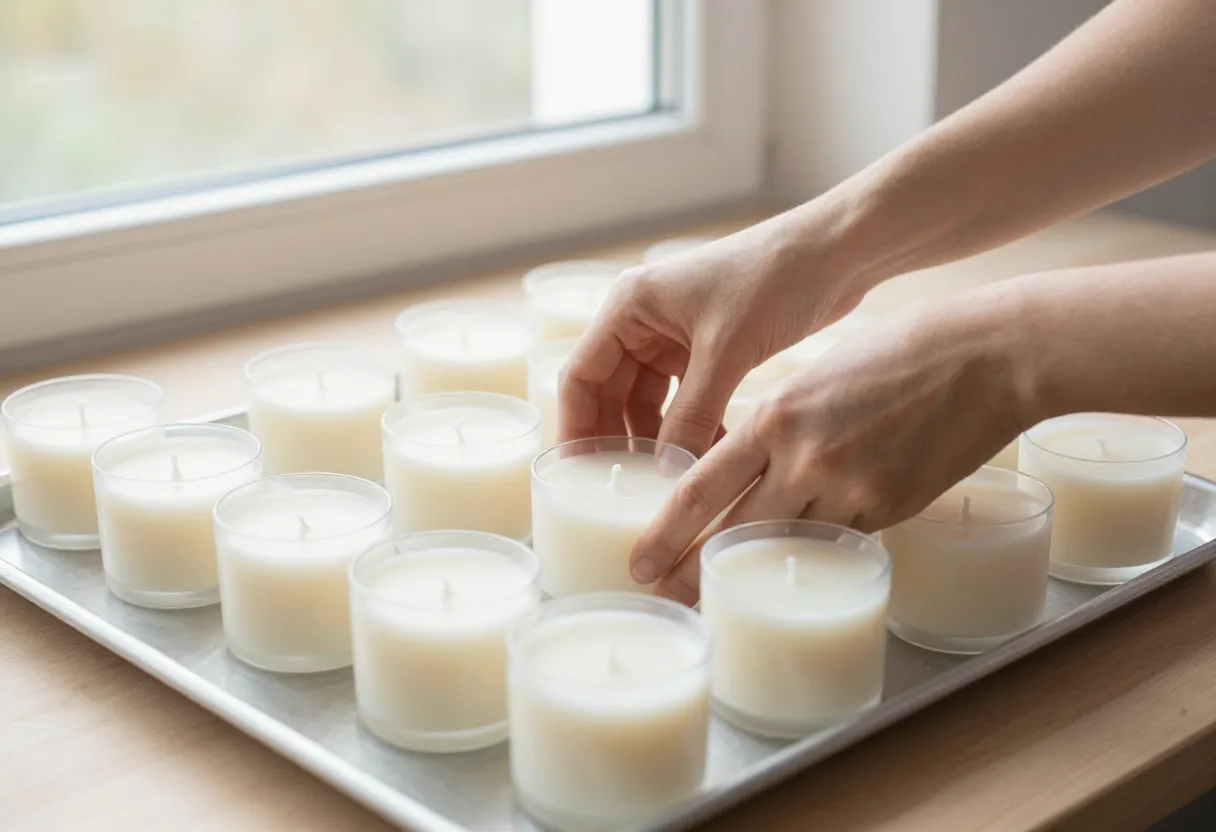
Safety isn’t something you check off at the end of your production run; it is an integral part of the process, just like weighing out your wax or measuring your fragrance oil. When I started making candles, I treated my workspace with the same discipline I learned in the Marine Corps and as an Eagle Scout—if a step isn’t planned, it’s a hazard waiting to happen. For us at our candle benches, that means looking at your workspace with the same scrutiny you use to check your pour temperature or wick size.
If you don’t have a plan for where and how those candles will sit during testing or display, you are inviting problems into your workshop. Safety is a production requirement. It belongs in your batch notes just as much as your wax type does. Treat it as a standard operating procedure: identify the hazards before they exist, clear the zone of unnecessary clutter, and establish your boundaries before any flame ever touches a wick.
More Than Just Distance: Why Placement Matters
When we talk about “clearance,” people often think of a simple distance rule. While physical space is important, placement is actually about heat management and airflow. A candle doesn’t exist in a vacuum; it generates heat that radiates outward from the container. If you place a candle too close to curtains, paper packaging, or even certain types of furniture, those materials can reach an ignition point long before the flame itself ever touches them.
I’ve seen makers get this backwards by thinking their candle is “safe” because the wick isn’t touching anything flammable. In my experience on the bench, it’s about creating a perimeter that accounts for both the height of the flame and the radius of the heat produced by your specific container. Because every wax type and container shape behaves differently—some throw more heat than others—you should always consult your specific wax supplier’s data sheet to understand how their product handles temperature, then adjust your spacing accordingly.
The Stable Surface Rule: Where to Put the Heat
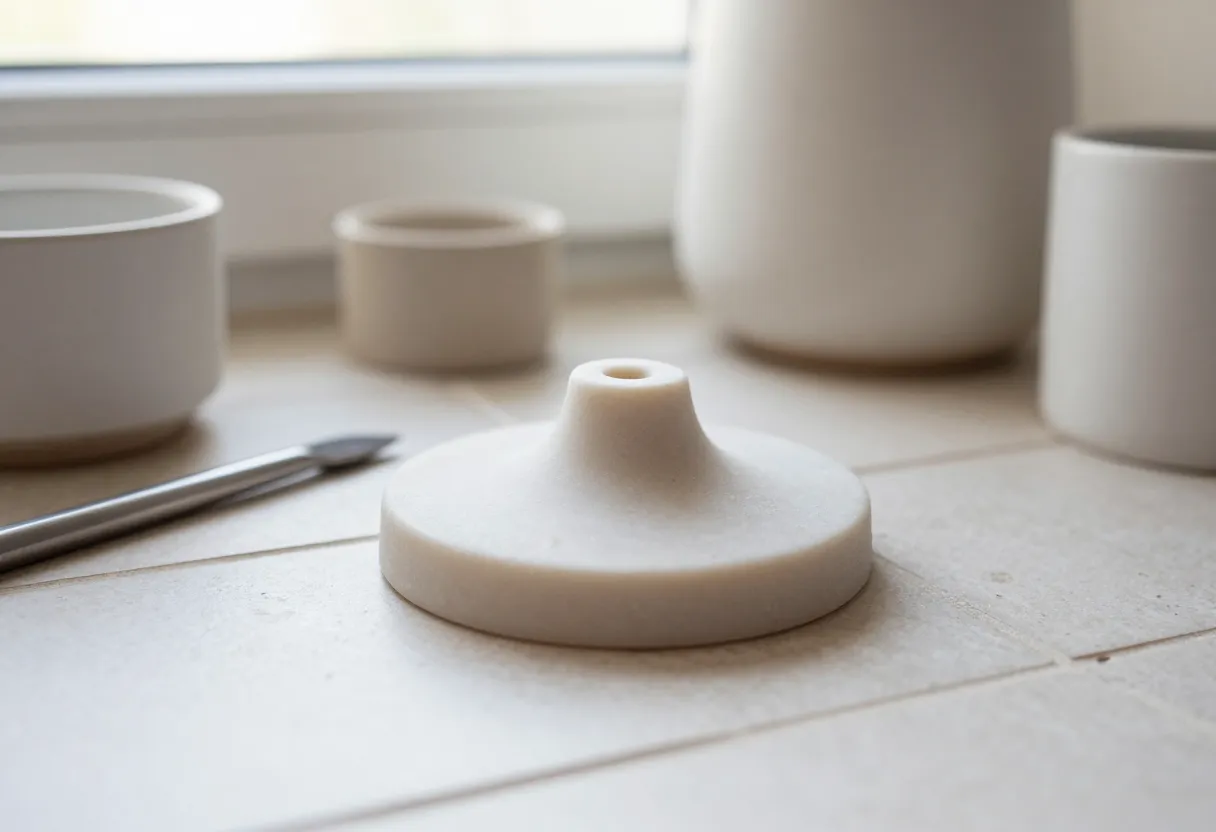
One of the most common mistakes I see from new makers is putting a hot candle on an unstable or flammable surface. It’s easy to grab a decorative tray or a piece of wood and think it looks good for a photo, but that’s where things can go south quickly. A candle must sit on a level, non-flammable surface. This means no lace doilies under the glass, no loose fabric nearby, and nothing that could tip over if bumped during use.
If the container isn’t perfectly level, the wax pool won’t distribute evenly, which can lead to uneven burning or even cause the glass to overheat in certain spots. I’ve had batches where a slight tilt caused one side of the candle to burn hotter than the other, ruining the melt pool and potentially compromising the integrity of the container. Before you light your first test batch, make sure your surface is solid and heat-resistant. It might not be as “aesthetic” as some props, but stability is non-negotiable for both safety and quality.
Pre-Burn Checklist: Before You Light Anything
Before you strike a match or click a lighter, I want you to walk through a quick checklist of your area. This isn’t just about the candle itself; it’s about the environment surrounding it. Check for drafts—a sudden gust from an open window can cause a flame to flicker and potentially reach nearby items. Look at what is within arm’s reach: are there any loose papers, towels, or flammable materials that could be knocked over? Ensure your workspace is clear of clutter so you have a wide enough “safe zone” around the burning candle.
Pre-Burn Checklist
- Clearance: Confirm there is ample empty space around all sides of the candle to account for heat radiation.
- Surface Check: Verify the surface is level and made of a non-flammable material like stone, metal, or ceramic.
- Airflow: Ensure there are no direct drafts from fans or open windows that could cause the flame to dance.
- Accessibility: Make sure you have an extinguisher or a fire blanket nearby, and never leave a burning candle unattended for any reason.
If you’re still feeling unsure about how to manage your workspace safety, I recommend checking out my guide on candle safety for more detailed protocols.
Inspired by a story from Good Housekeeping.
Get the next issue
Questions or corrections? Send a note. Or read more issues.